Story · The Pure Project
The first ten minutes
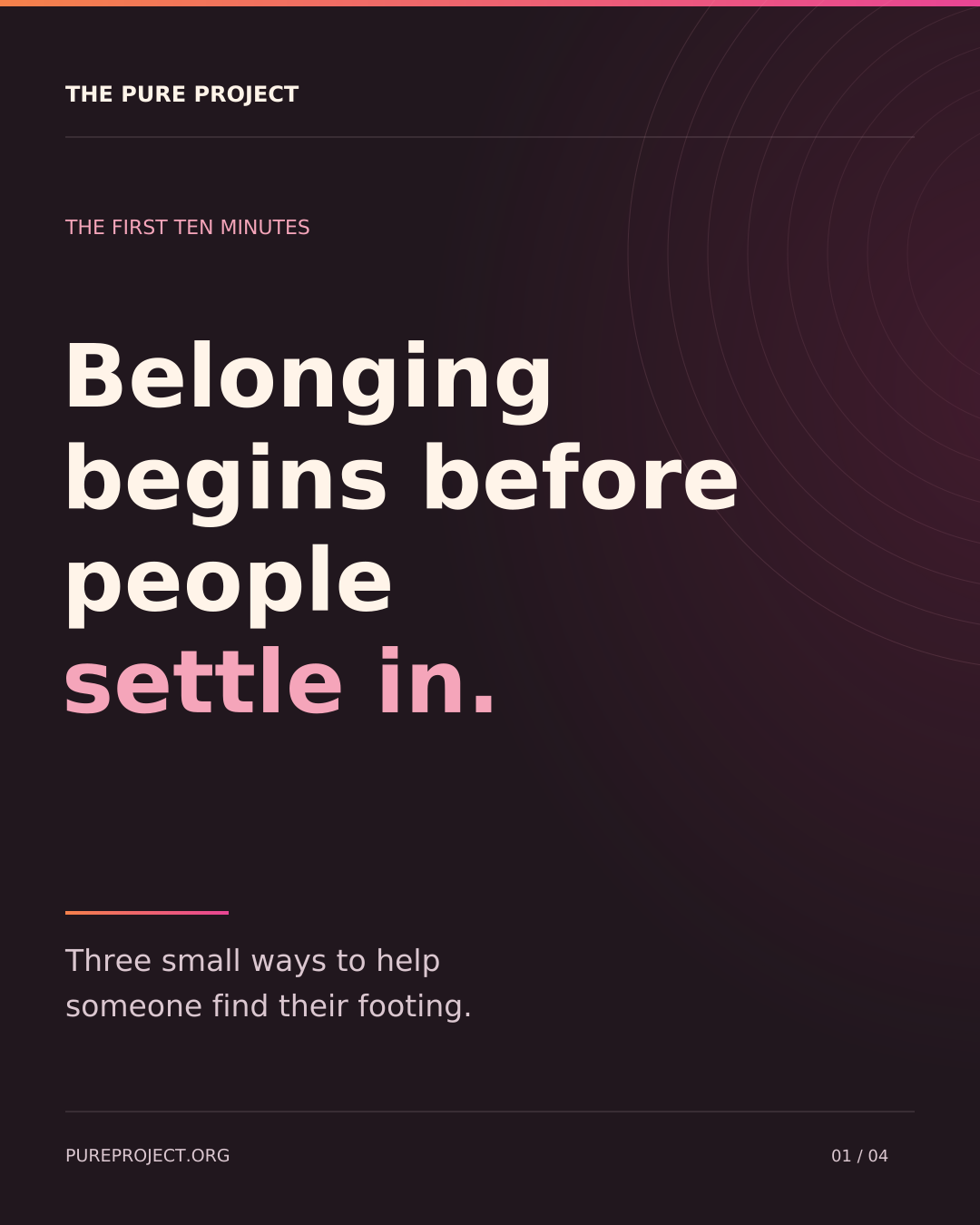
A thoughtful welcome gives people somewhere to begin.
 By Ryan Fix2 November 2026 · 2 min read


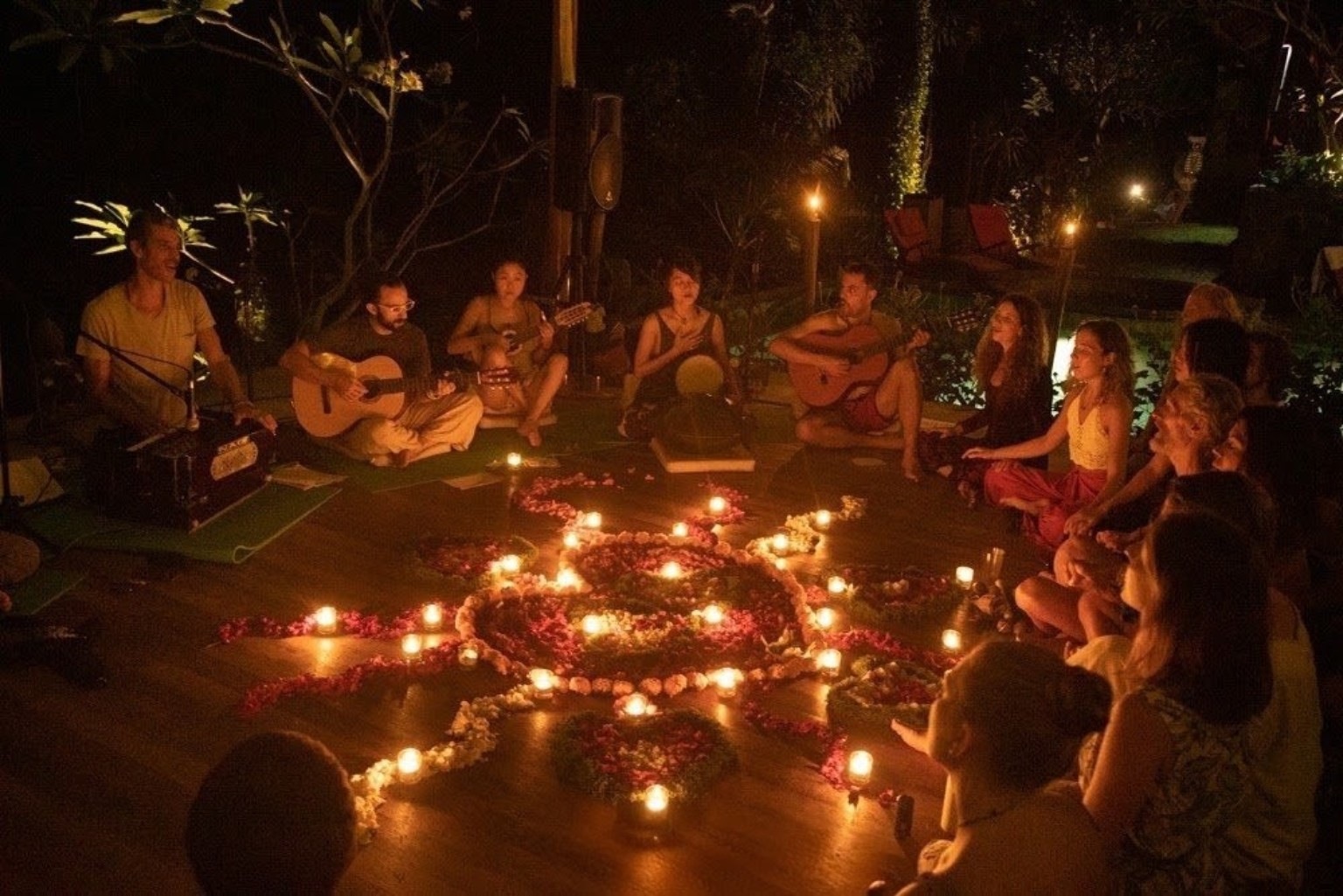
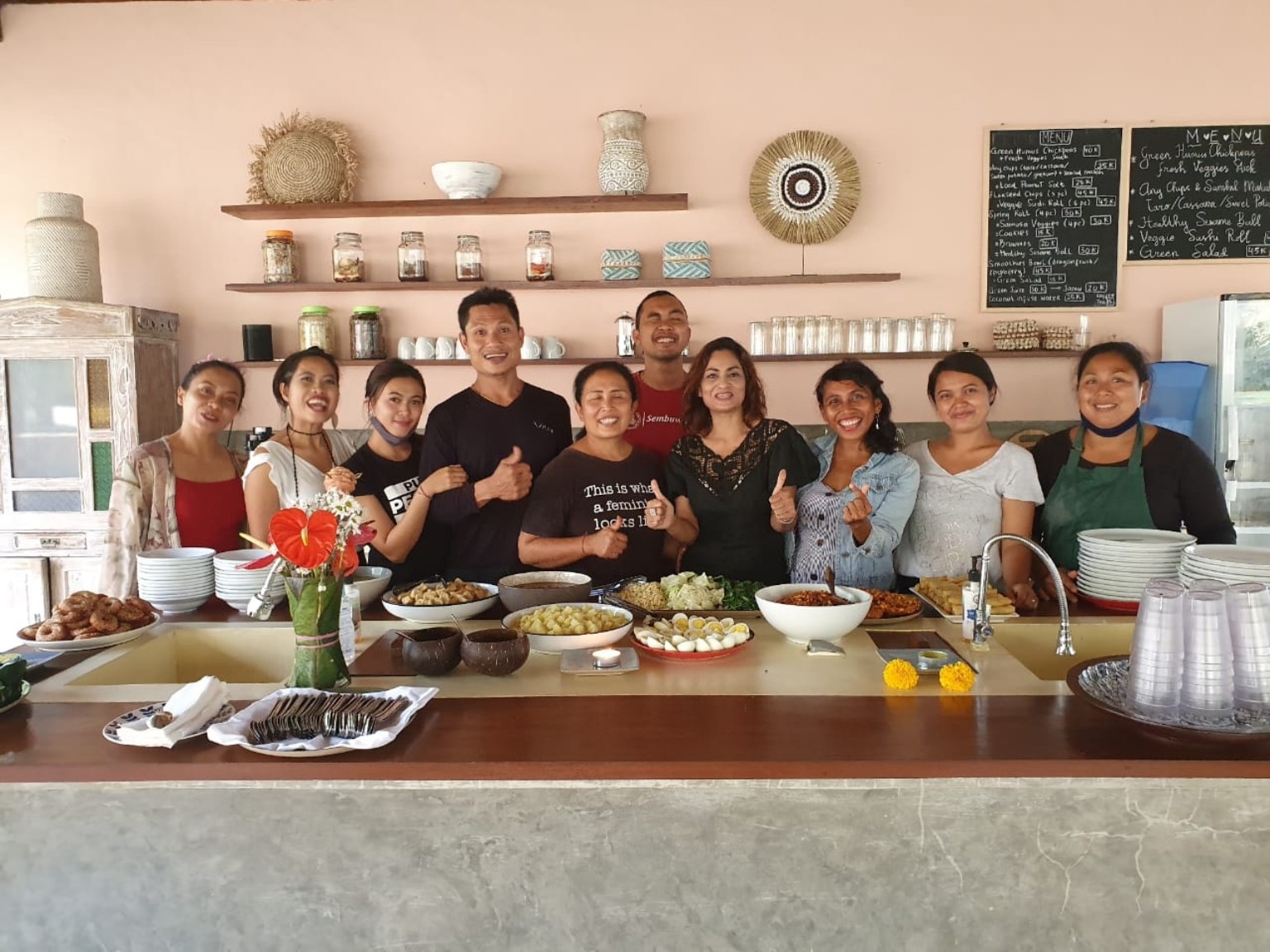
Before your next gathering, imagine arriving without knowing anyone. You may not know where to go, who to speak to or what is expected of you. Everyone else can look more comfortable than you feel.
The first ten minutes offer a chance to make that experience easier. You cannot decide how quickly someone will feel connected. You can give them information, a human point of contact and room to choose how they participate.
Show people what to expect.
Explain the shape of the gathering in plain language. Where does it begin? What will happen? Is there a break? Does anyone need to prepare or bring something? A little orientation can remove uncertainty without filling every moment with instructions.
Make an introduction around a shared interest.
A name alone gives two strangers little to work with. A relevant connection offers a starting point: an interest, a question or something each is exploring. Ask before sharing personal details, and let the conversation find its own direction.
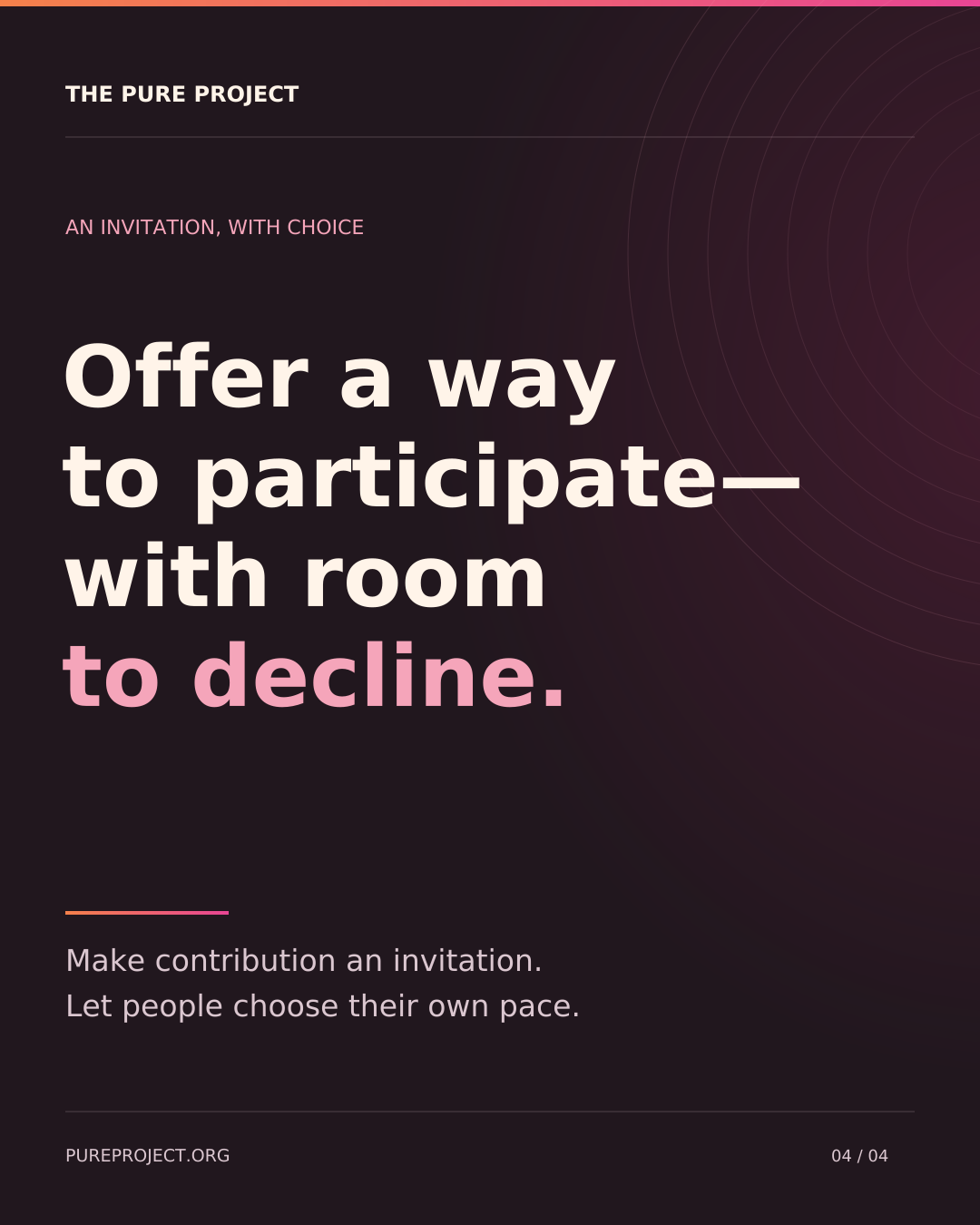
Offer a simple way to participate, with room to decline.
Someone might enjoy helping set up, joining a conversation or taking a quieter role at first. Make the invitation clear and keep refusal comfortable. An invitation loses its warmth when participation feels like a test.
People find their footing at different speeds. Some begin talking immediately. Others prefer to observe. Leaving room for both makes it easier for a newcomer to choose a way in that feels right to them.
Before the next arrival, agree who will welcome people and how introductions can happen. Afterwards, ask one or two newcomers what helped and what they had to work out for themselves. Their experience is more useful than your assumption that the welcome went well.
These practices can apply to a community gathering, shared workspace or new team. Adapt them to the setting. Through Community Catalyst Training, we explore this kind of practical attention and bring the learning into real situations participants care about.
Be part of what comes next
Let’s see what we can
create together.
Learn the craft of bringing people together. Help a culture of connection grow in your community, team, or shared space.